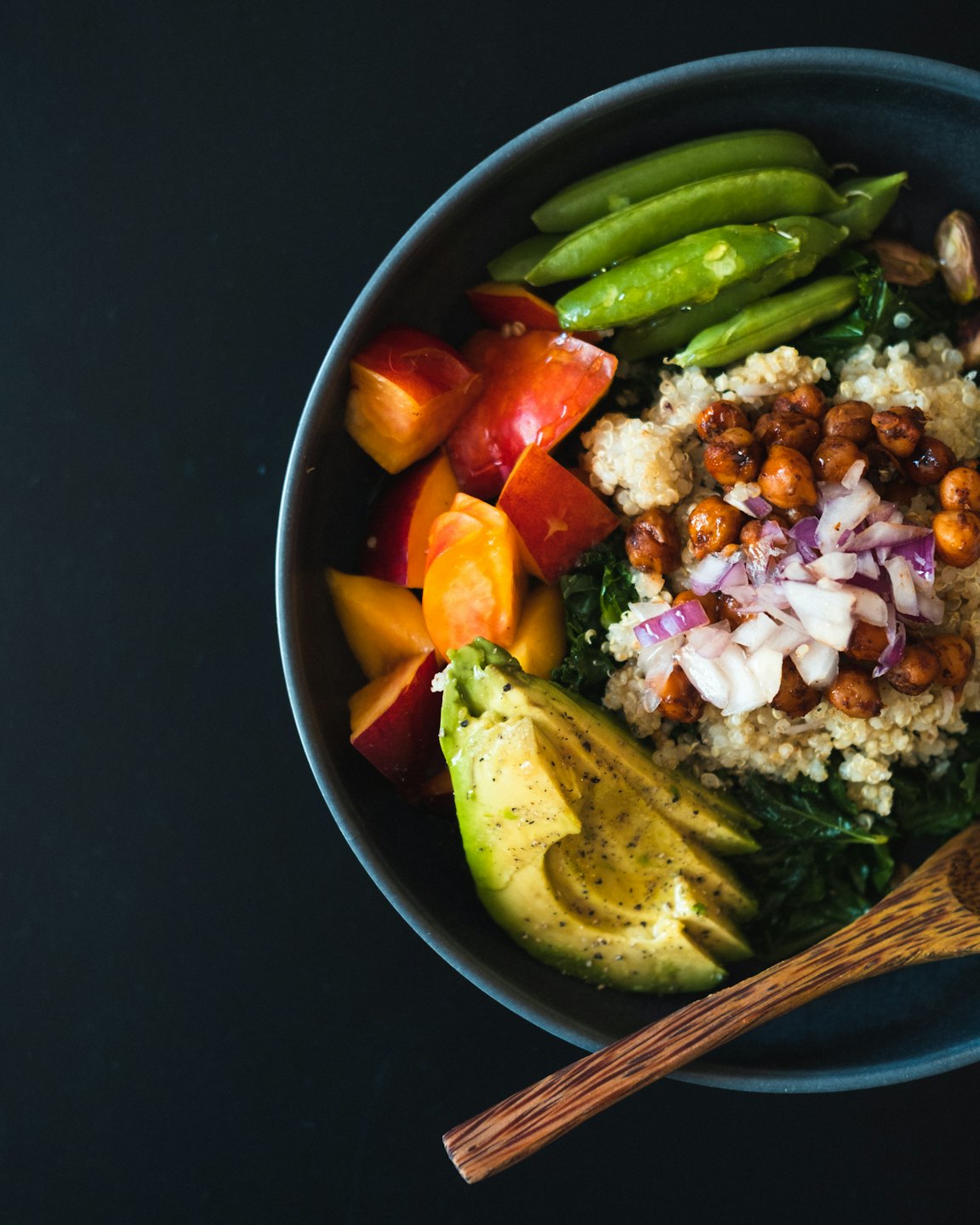
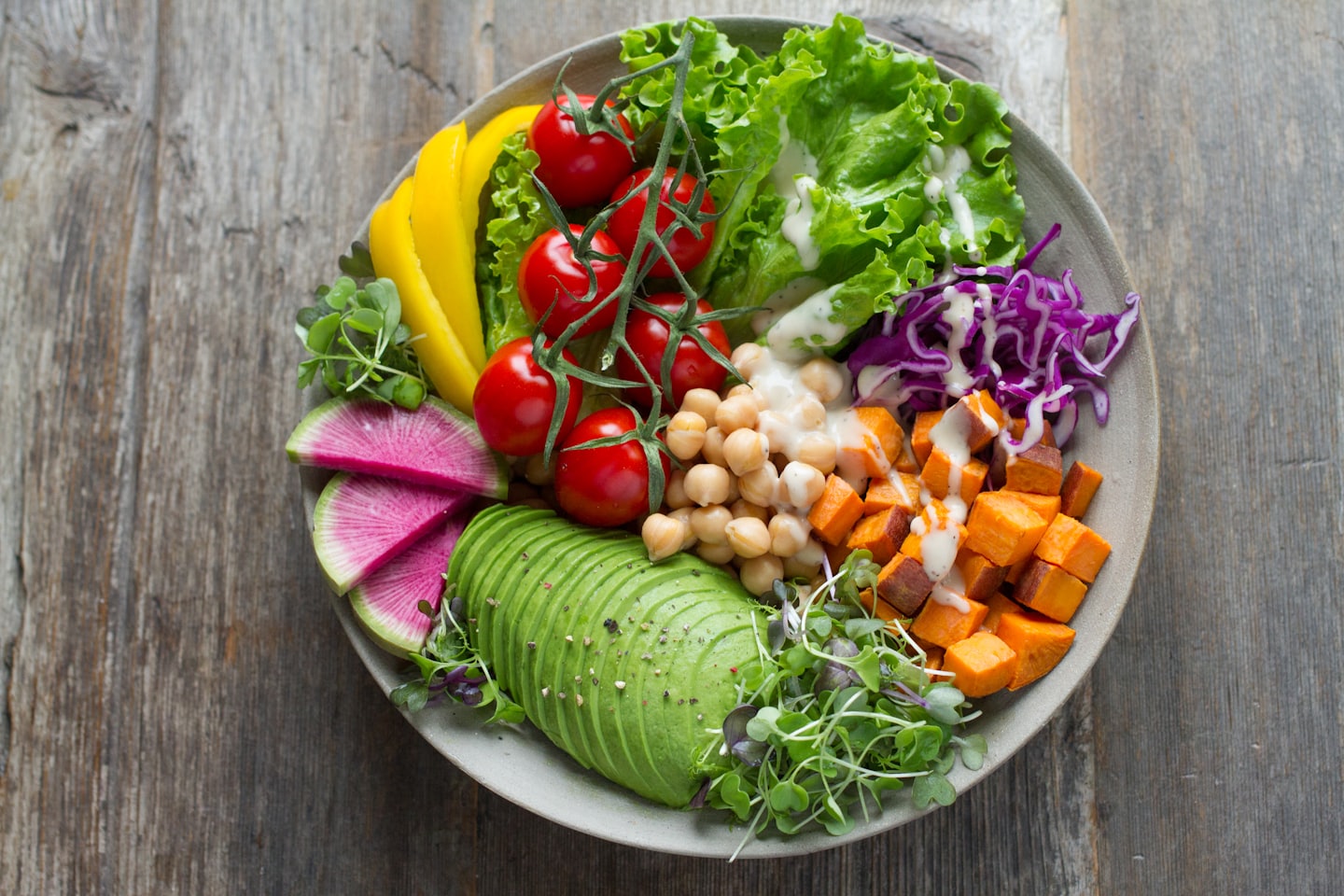
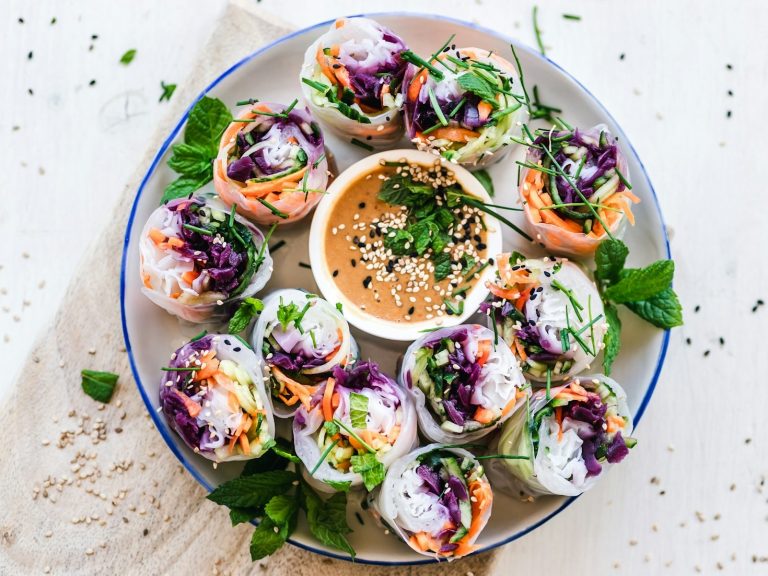
The concern about amino acid deficiency in vegan diets stems from a misunderstanding of how protein works in the body. While it’s true that most plant proteins are “incomplete” (lacking one or more of the nine essential amino acids in optimal ratios), the human body doesn’t require all essential amino acids in every single meal. Throughout a day of eating varied plant foods—beans, lentils, quinoa, nuts, seeds, whole grains, and vegetables—vegans easily obtain all essential amino acids. The body maintains an amino acid pool, drawing from foods eaten over the course of hours or even days. Studies have consistently shown that vegans who eat a reasonably varied diet have no trouble meeting protein requirements, and concerns about “protein combining” at each meal have been dismissed by nutrition scientists for decades.
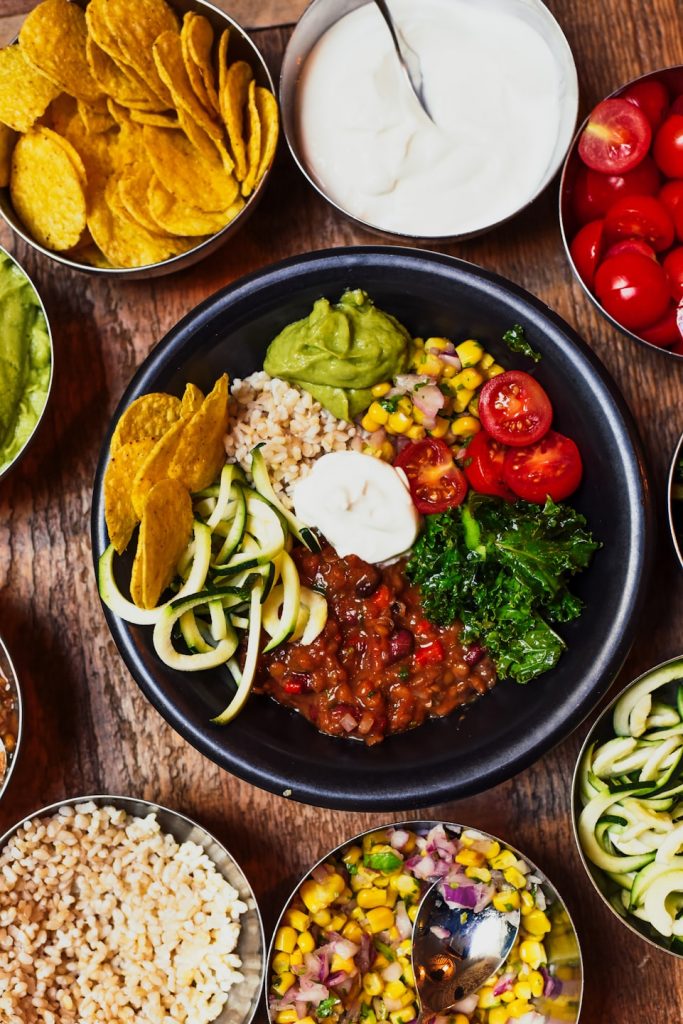
Beyond adequate protein, whole food plant-based diets typically provide superior overall nutrition compared to standard meat-heavy diets. Vegans who focus on whole foods consume significantly more fiber, antioxidants, vitamins C and E, folate, and beneficial phytonutrients while avoiding the saturated fat and cholesterol concentrated in animal products. The average American eating a meat-based diet is deficient in fiber (getting only about 15 grams daily versus the recommended 25-38 grams) and often falls short on potassium, magnesium, and various phytonutrients found abundantly in plants. Meanwhile, plant-based eaters consuming legumes, whole grains, fruits, and vegetables naturally hit or exceed these targets while maintaining healthier body weights and lower inflammation markers.
Large-scale research supports the health advantages of well-planned vegan diets. The Academy of Nutrition and Dietetics affirms that appropriately planned vegan diets are healthful and nutritionally adequate for all life stages. Population studies consistently show that vegans have lower rates of heart disease, type 2 diabetes, certain cancers, and hypertension compared to meat-eaters. The only nutrient requiring supplementation for vegans is vitamin B12 (which is actually supplemented to livestock in modern farming anyway), and attention should be paid to sources of omega-3 fatty acids, iron, and calcium—all readily available from plant sources like flaxseeds, leafy greens, fortified foods, and legumes. The evidence demonstrates that thoughtful vegan diets don’t just avoid deficiency; they often provide superior nutrition and health outcomes compared to typical Western diets centered on animal products.