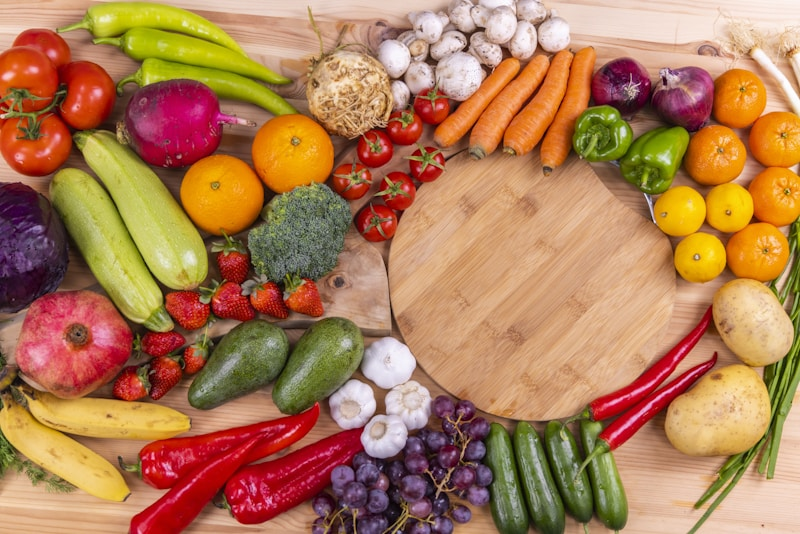
A whole food plant-based diet provides an exceptionally diverse array of nutrients that work synergistically to support optimal health. Vegetables, fruits, legumes, whole grains, nuts, and seeds deliver thousands of phytonutrients—compounds like flavonoids, carotenoids, and polyphenols—that have antioxidant, anti-inflammatory, and disease-fighting properties not found in animal products. These foods are rich in fiber, which supports digestive health and feeds beneficial gut bacteria, as well as vitamins, minerals, and healthy fats that reduce chronic disease risk. Plant-based eaters benefit from higher intakes of folate, vitamin C, vitamin E, magnesium, and potassium while naturally consuming less saturated fat. The variety of colors on a plant-based plate represents different nutrient profiles: deep greens provide iron and calcium, orange vegetables offer beta-carotene, berries deliver anthocyanins, and cruciferous vegetables contain cancer-fighting compounds like sulforaphane.
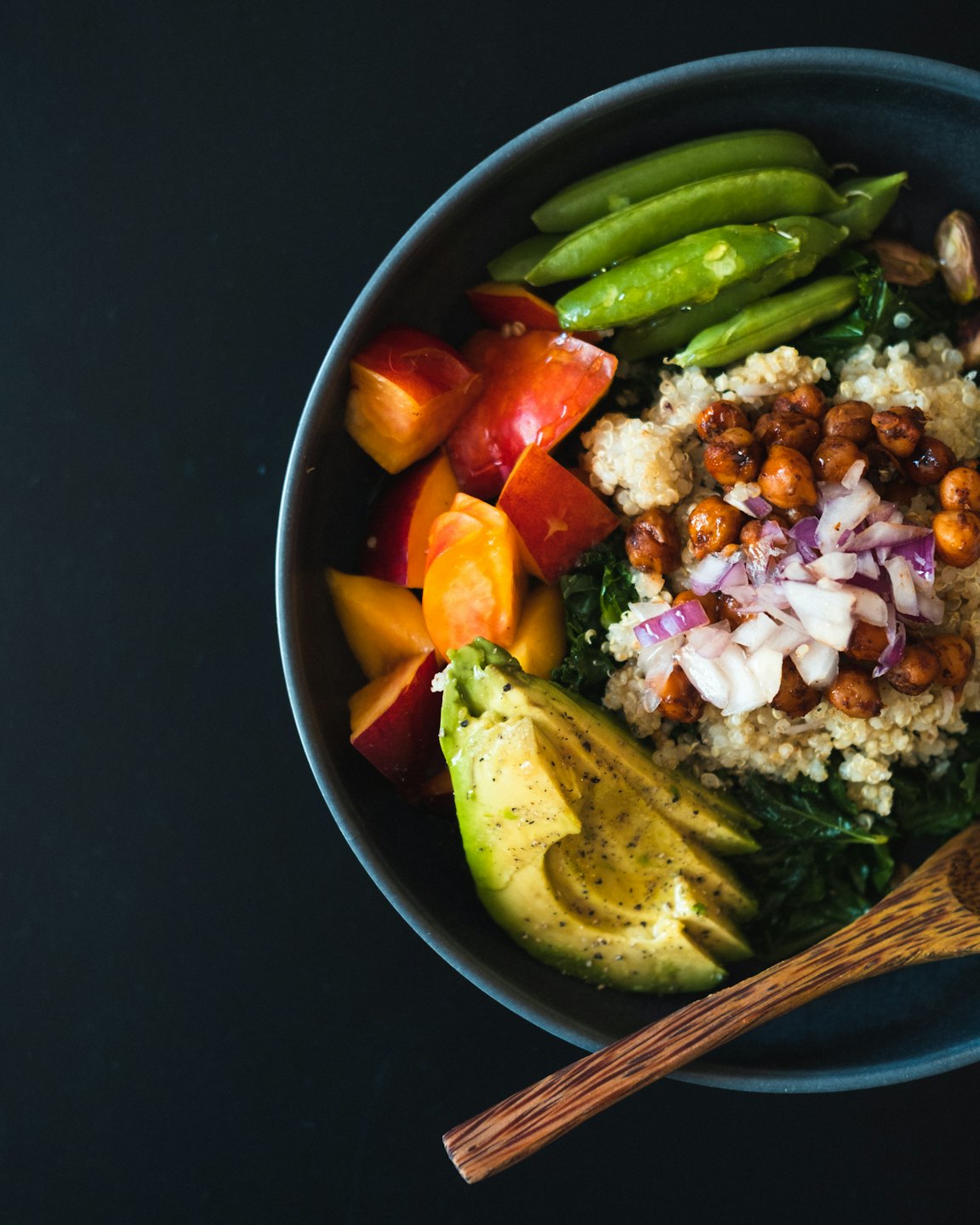
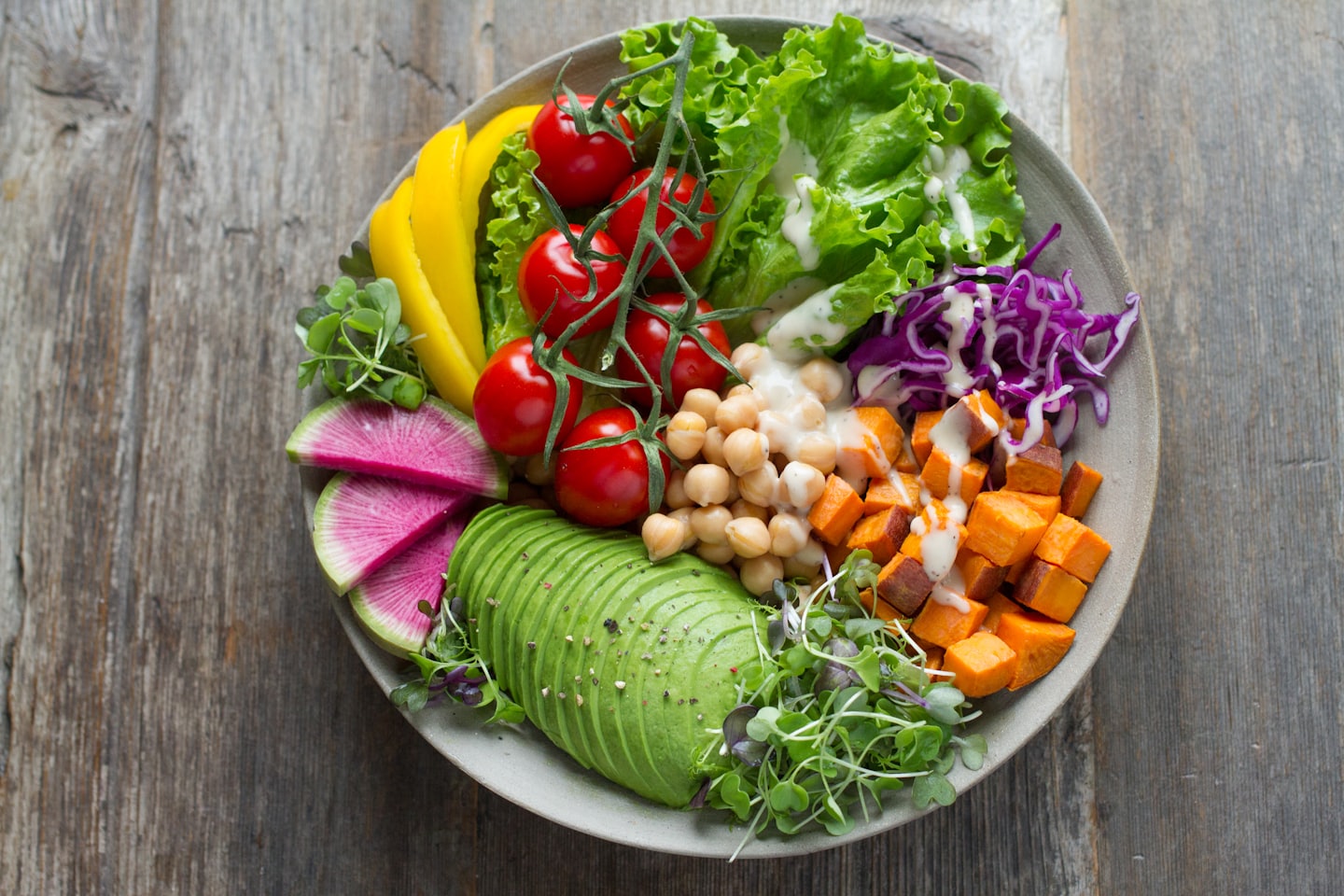
By eliminating animal products, vegans avoid various toxins and health concerns associated with meat, dairy, and eggs. Animal products can contain accumulated environmental pollutants like dioxins, PCBs, and heavy metals that concentrate as they move up the food chain, as well as hormones, antibiotics, and other substances used in industrial animal agriculture. Processed and red meats have been classified by the World Health Organization as carcinogenic and probably carcinogenic respectively, linked to increased risks of colorectal cancer, heart disease, and type 2 diabetes. Heme iron from meat, while easily absorbed, can promote oxidative stress and inflammation when consumed in excess. Animal products also contain no fiber and are often high in saturated fat and cholesterol, contributing to cardiovascular disease. By centering meals around plants, vegans sidestep these concerns while flooding their bodies with protective, health-promoting compounds.
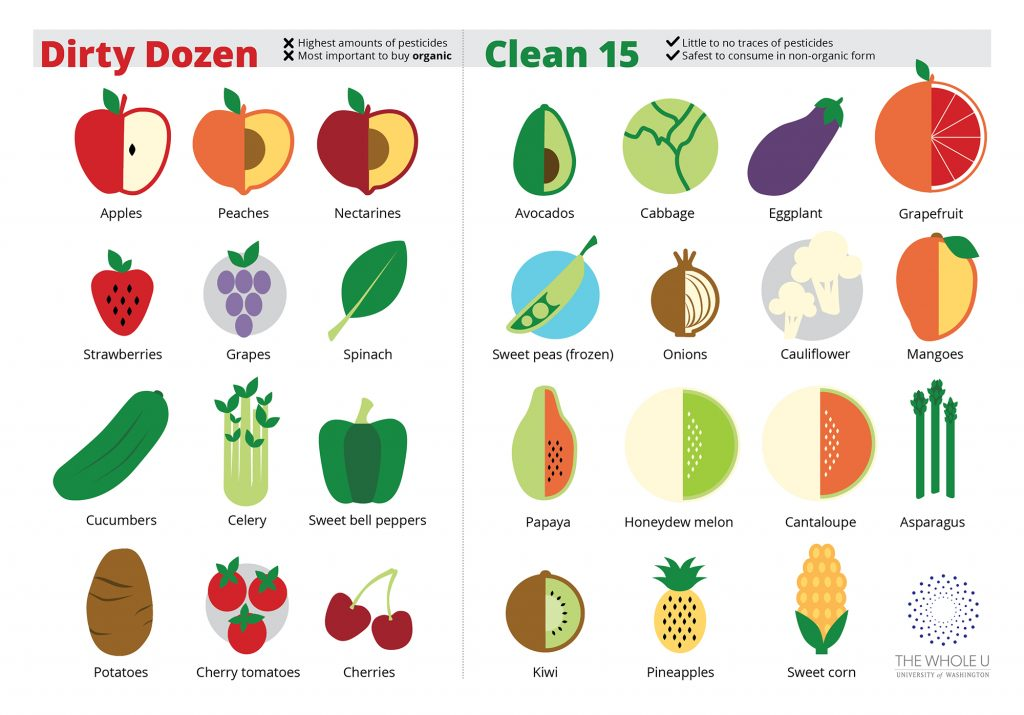
Choosing organic produce when possible offers additional benefits, particularly for certain fruits and vegetables that tend to carry higher pesticide residues. The “Dirty Dozen”—foods that should ideally be purchased organic—includes strawberries, spinach, kale, collard and mustard greens, nectarines, apples, grapes, bell peppers, cherries, peaches, pears, and celery. These items consistently test high for pesticide contamination when conventionally grown. Organic farming avoids synthetic pesticides and fertilizers, reducing exposure to potentially harmful chemicals while supporting soil health and environmental sustainability. For those on a budget, the “Clean Fifteen” (like avocados, sweet corn, pineapple, onions, and papaya) are safer to buy conventional since they naturally have lower pesticide residues. Prioritizing organic for the most contaminated produce helps maximize the health benefits of a plant-based diet while minimizing unwanted chemical exposures, making an already healthful way of eating even more protective and nourishing for long-term wellness.