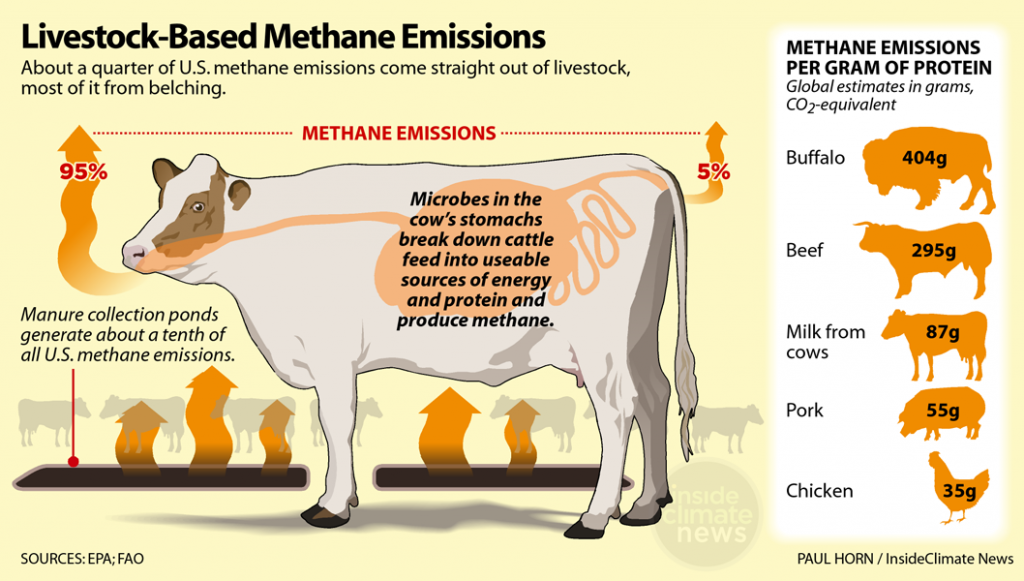
Plant-based diets offer substantial benefits for environmental health, with research consistently showing that animal agriculture is one of the most resource-intensive and environmentally damaging food production systems. Livestock farming generates approximately 14.5-18% of global greenhouse gas emissions, rivaling the transportation sector’s contribution to climate change. The production of beef, in particular, requires vastly more land, water, and energy per calorie than plant-based proteins like beans, lentils, or tofu. Deforestation for grazing land and animal feed crops, especially in critical ecosystems like the Amazon rainforest, destroys biodiversity hotspots and eliminates vital carbon sinks. Additionally, animal agriculture is a leading cause of water pollution through nutrient runoff, which creates dead zones in oceans and contaminates freshwater supplies. By shifting toward plant-based eating, individuals can significantly reduce their environmental footprint—some studies suggest a vegan diet can cut food-related emissions by up to 73% compared to a high-meat diet.
The water conservation benefits of plant-based eating are equally compelling. Producing a single pound of beef requires approximately 1,800 gallons of water when accounting for the water needed to grow feed crops, provide drinking water for animals, and process meat. In contrast, producing a pound of tofu requires around 300 gallons, and legumes even less. As freshwater scarcity becomes an increasingly urgent global issue affecting billions of people, dietary choices that reduce water consumption become more ethically and practically significant. Land use efficiency is another critical factor—if everyone adopted a plant-based diet, global farmland use could be reduced by 75%, an area equivalent to the size of the United States, China, Australia, and the European Union combined. This freed land could be rewilded to restore ecosystems, sequester carbon, and provide habitat for endangered species, potentially helping to address the biodiversity crisis alongside climate change.

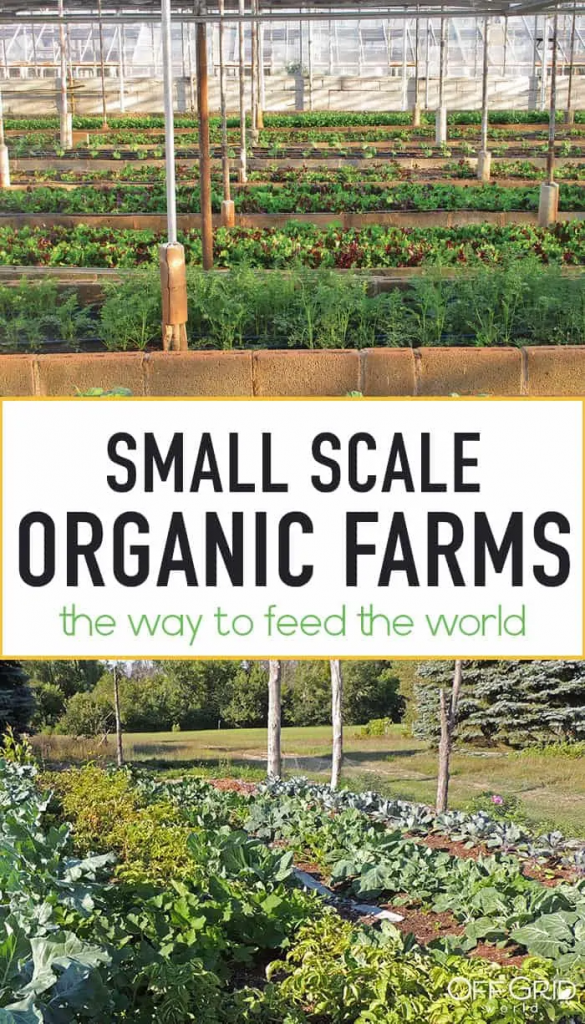
However, it’s important to recognize that not all plant-based foods are environmentally equal, and veganism alone isn’t a complete solution to environmental challenges. Some plant crops, like almonds, avocados, and certain tropical fruits, can have significant environmental costs related to water use, transportation emissions, and habitat destruction. Industrial monoculture farming of soy, corn, and palm oil—even when used for human consumption rather than animal feed—can deplete soil health, require heavy pesticide use, and destroy ecosystems. The environmental case for plant-based eating is strongest when it emphasizes whole, minimally processed foods that are locally or regionally appropriate and produced using sustainable practices. Additionally, addressing the food system’s environmental impact requires systemic changes beyond individual dietary choices, including reducing food waste, reforming agricultural subsidies, supporting regenerative farming practices, and developing policy frameworks that account for the true environmental costs of different foods. A thoughtful approach to environmental health through diet considers not just whether something is plant-based, but how and where it was grown, how far it traveled, and how it fits into broader ecological systems.