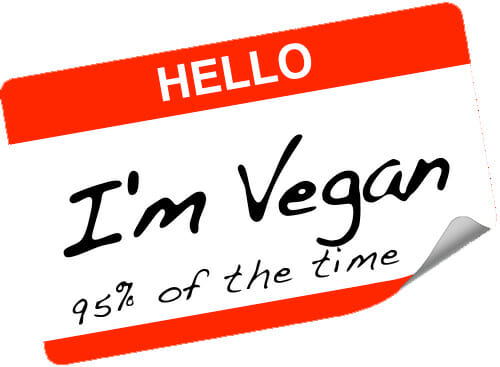
Transitioning to a mostly vegan diet over three months allows your taste buds, habits, and social routines to adjust gradually rather than through abrupt deprivation. A common approach is to start by designating certain days as fully plant-based—perhaps “Meatless Mondays” in the first month—while exploring vegan versions of familiar favorites like spaghetti with marinara, vegetable stir-fries, or bean burritos. The second month might involve eliminating red meat and poultry entirely while still consuming fish, eggs, or dairy, giving you time to discover satisfying plant-based protein sources like tofu, tempeh, lentils, and chickpeas. By the third month, you can phase out the remaining animal products while building confidence in meal planning, cooking techniques, and finding vegan options at your favorite restaurants. This gradual approach helps you develop new skills and preferences without feeling overwhelmed, allowing each phase to become your new normal before moving to the next step.

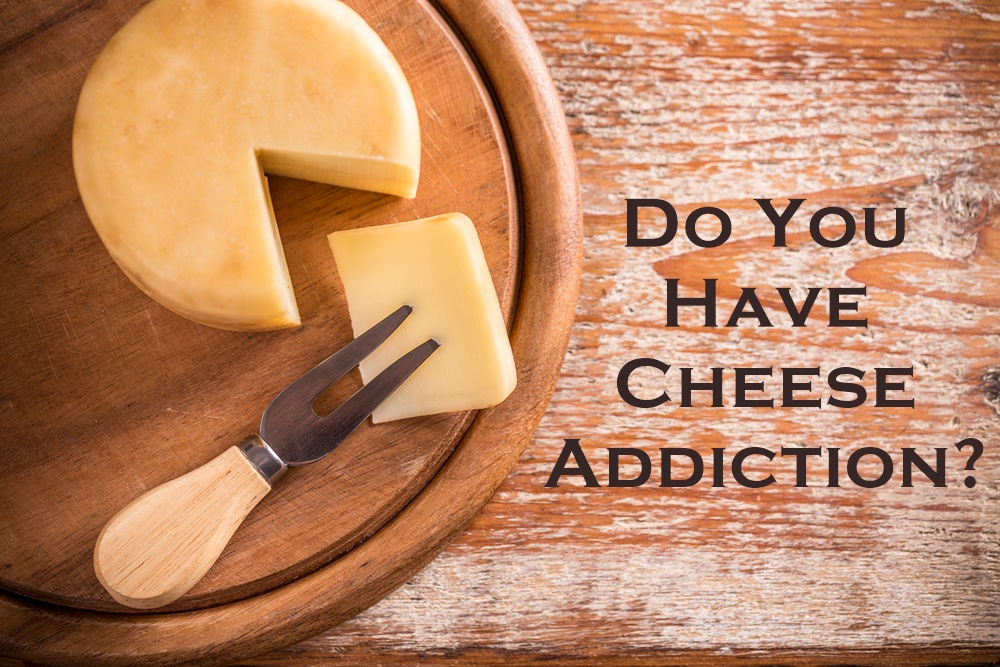
The challenges of this transition are real and multifaceted, affecting both physical and social aspects of life. Physically, some people experience temporary digestive adjustments as they increase fiber intake—bloating or gas can occur when suddenly eating significantly more beans and vegetables than your gut microbiome is accustomed to processing. Cravings for familiar comfort foods can be intense, especially for cheese (which contains casomorphins that can create mild addictive responses) or the umami richness of meat. Socially, the transition can feel isolating when dining with non-vegan friends and family who may not understand your choices, ask repetitive questions, or feel inadvertently judged by your dietary shift. Holiday gatherings, work lunches, and spontaneous restaurant outings suddenly require more planning and navigation. There’s also a learning curve in reading ingredient labels, discovering hidden animal products in seemingly plant-based foods, and ensuring you’re getting adequate B12, iron, and omega-3s.
Mental and emotional challenges can be equally significant during the transition period. Many people struggle with feelings of restriction or deprivation, mourning the loss of foods tied to childhood memories or cultural traditions. There’s often frustration with the extra effort required—researching restaurants beforehand, explaining your choices repeatedly, or spending more time in grocery stores reading labels. Some experience “analysis paralysis” when confronted with conflicting nutritional information online or worry excessively about getting enough protein despite evidence that it’s easily achievable. The perfectionism trap can also derail progress—one slip-up with dairy or a moment of weakness with pizza can lead to guilt and the false belief that you’ve “failed” and should abandon the effort entirely. The key to overcoming these challenges is self-compassion, connecting with supportive communities (online or local vegan groups), keeping the focus on progress rather than perfection, and remembering that every plant-based meal is a positive choice regardless of what came before or what comes after.