TThe ethical case for plant-based eating rests primarily on reducing harm to sentient beings and minimizing our environmental impact on the planet. Factory farming subjects billions of animals annually to conditions that many consider incompatible with their capacity to suffer and experience wellbeing. Animals raised for food often live in confined spaces, endure painful procedures without anesthesia, and face slaughter at a fraction of their natural lifespan. Proponents of plant-based diets argue that if we can meet our nutritional needs without causing this suffering, we have a moral obligation to do so. Additionally, the environmental toll of animal agriculture—including greenhouse gas emissions, deforestation, water pollution, and biodiversity loss—raises questions about our responsibilities to future generations and the ecosystems we share with countless other species.
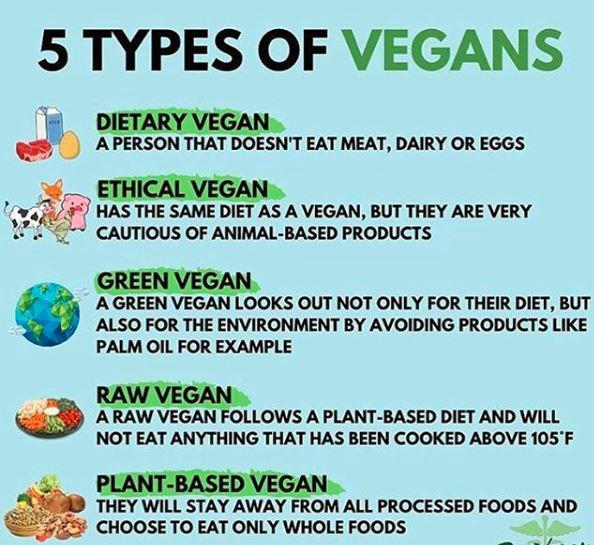
However, the ethics of plant-based eating also involve nuanced considerations that complicate a simple “plants good, animals bad” framework. Industrial agriculture of all kinds can harm workers, displace communities, and damage ecosystems through monocultures and pesticide use. Some argue that regenerative farming practices that include animals can actually restore soil health and sequester carbon more effectively than certain plant agriculture methods. There are also questions about the varying capacities for suffering across different animals—many people draw moral distinctions between mammals, fish, and insects. Indigenous food traditions and cultures where animal husbandry has been practiced sustainably for millennia raise important questions about imposing universal dietary ethics without considering cultural context, food sovereignty, and local ecosystems where plant-based options may be limited or nutritionally inadequate.
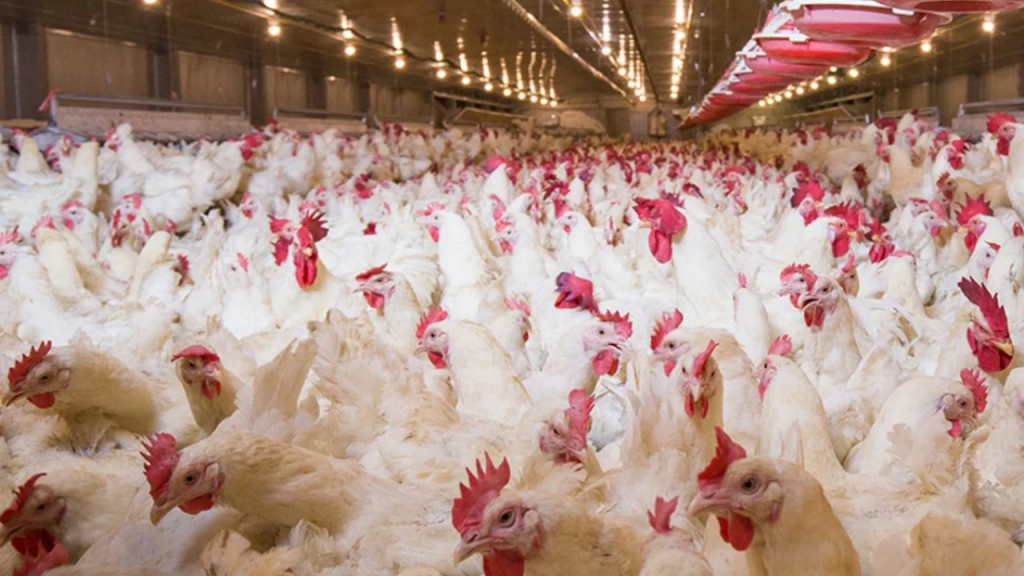
The ethics also extend to issues of accessibility, privilege, and global food systems. Plant-based diets can be affordable and nutritious, but they can also require more time, knowledge, and access to diverse ingredients than some people have available. Food deserts, economic constraints, health conditions, and geographic isolation mean that what’s ethically ideal in theory may not be practically achievable for everyone. Some ethicists argue that the focus should be on reducing unnecessary suffering and environmental harm where possible, rather than adhering to absolute rules. This perspective suggests that a flexitarian or “95%” approach might be more ethically defensible than demanding perfection, as it acknowledges real-world constraints while still significantly reducing one’s contribution to animal suffering and environmental degradation. Ultimately, thoughtful engagement with these ethical questions—rather than dogmatic positions—may lead to the most sustainable and compassionate food choices.